




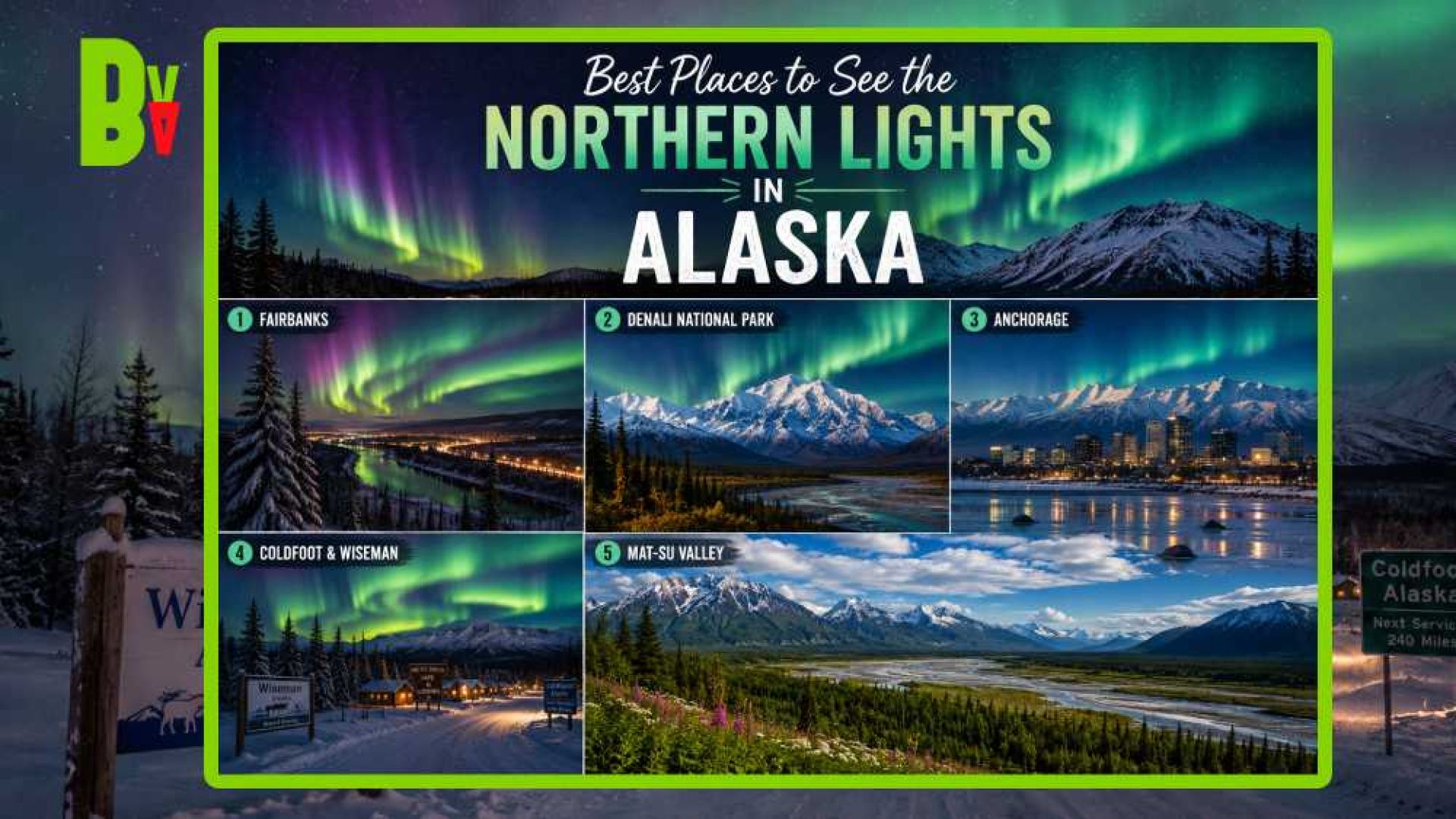
Best Places to See Northern Lights in Alaska: Where to Experience the Aurora Borealis in 2026
The northern lights, scientifically known as the Aurora Borealis, continue to rank among the world's most extraordinary natural phenomena. Every year, thousands of travelers head north hoping to watch ribbons of green, purple, pink, and occasionally red light dance across the night sky.
Looking for the best places to see northern lights? From the wilderness of Denali National Park to the dark skies above Fairbanks, Alaska remains one of the world's premier destinations for witnessing the breathtaking Aurora Borealis. Here's everything travelers need to know before planning an unforgettable northern lights adventure.
The northern lights, scientifically known as the Aurora Borealis, continue to rank among the world's most extraordinary natural phenomena. Every year, thousands of travelers head north hoping to watch ribbons of green, purple, pink, and occasionally red light dance across the night sky.
While countries like Norway, Iceland, Finland, and Canada are famous for aurora viewing, Alaska consistently stands out as one of the most reliable destinations. Thanks to its location beneath the auroral oval, vast wilderness, and low levels of light pollution, the state offers exceptional viewing opportunities throughout the aurora season.
If you're wondering where is the best place to see the northern lights, Alaska should be near the top of your list. Whether you're visiting for your first aurora hunt or planning a dedicated winter adventure, these destinations provide some of the finest viewing experiences available anywhere in the world.
Why Alaska Is One of the Best Places to See Northern Lights
Several factors make Alaska an outstanding destination for aurora viewing.
Its northern latitude places much of the state directly beneath the auroral oval, where solar particles collide with Earth's atmosphere to create brilliant displays of light. Combined with long winter nights, cold temperatures, and numerous locations far from city lights, Alaska provides ideal conditions for observing the Aurora Borealis.
The peak season generally runs from late August through April, with September, October, February, and March often providing an excellent balance of darkness and relatively stable weather.
For travelers searching for the best places to see aurora in Alaska, these destinations deserve serious consideration.
1. Fairbanks

Fairbanks has earned an international reputation as the aurora capital of Alaska, and for good reason. Located directly beneath the auroral oval, the city enjoys one of the highest probabilities of seeing the northern lights anywhere in North America.
Aurora displays can appear on more than 200 nights each year under favorable weather conditions, making Fairbanks the first choice for many travelers and photographers.
Visitors don't have to travel far outside the city to escape light pollution. Numerous lodges, viewing cabins, and guided tours specialize in northern lights experiences, allowing visitors to stay warm while waiting for the sky to come alive.
Beyond aurora hunting, Fairbanks offers attractions including Chena Hot Springs, museums, dog sledding, snowmobiling, and ice sculpting events, making it an excellent winter destination even if weather conditions temporarily affect visibility.
For many travelers, Fairbanks answers the question: Where is the best place to see the northern lights?
2. Denali National Park

Denali National Park is famous worldwide for North America's tallest mountain, but it also provides exceptional opportunities to witness the Aurora Borealis.
During winter, the park transforms into a peaceful wilderness where artificial lighting is almost nonexistent. On clear nights, vibrant auroras often illuminate snow-covered mountains, frozen rivers, and dense forests, creating unforgettable scenery.
Photography enthusiasts especially appreciate Denali because its dramatic landscapes provide stunning foregrounds for aurora images.
Winter visitors can also enjoy snowshoeing, wildlife viewing, cross-country skiing, and ranger-led activities while waiting for darkness to fall.
Because weather changes quickly in mountainous regions, staying several nights significantly improves your chances of witnessing an impressive display.
3. Anchorage
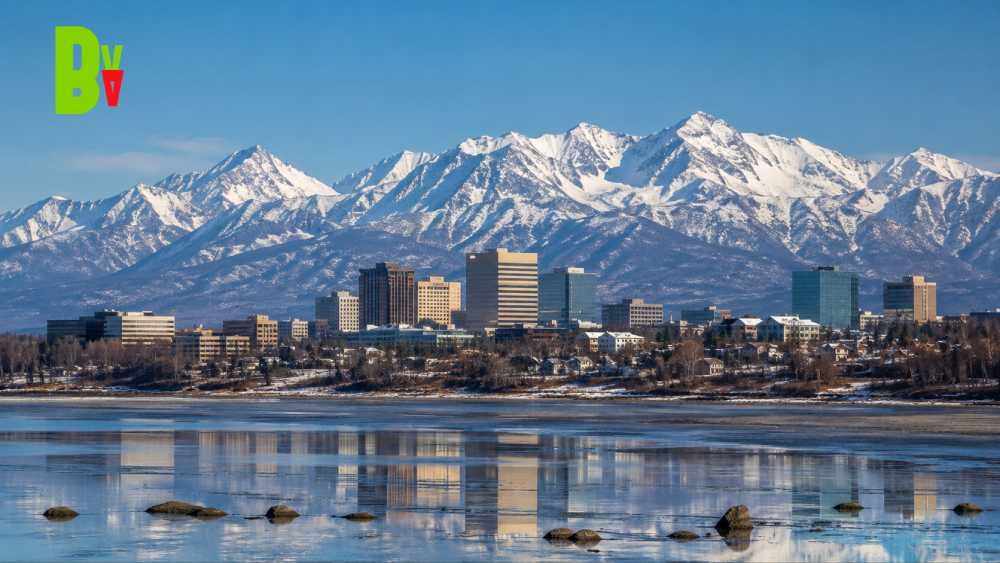
As Alaska's largest city, Anchorage offers one of the easiest introductions to aurora tourism.
Although city lights can reduce visibility downtown, excellent viewing locations are only a short drive away. Popular areas surrounding Anchorage frequently produce beautiful northern lights displays whenever solar activity increases and skies remain clear.
One advantage of Anchorage is convenience. Visitors enjoy international flights, comfortable hotels, restaurants, museums, shopping, and organized day trips before spending evenings searching for the aurora.
Nearby parks, hills, and scenic overlooks provide darker skies without requiring extensive travel.
Anchorage is particularly attractive for travelers who want to combine urban attractions with unforgettable natural experiences.
4. Coldfoot & Wiseman
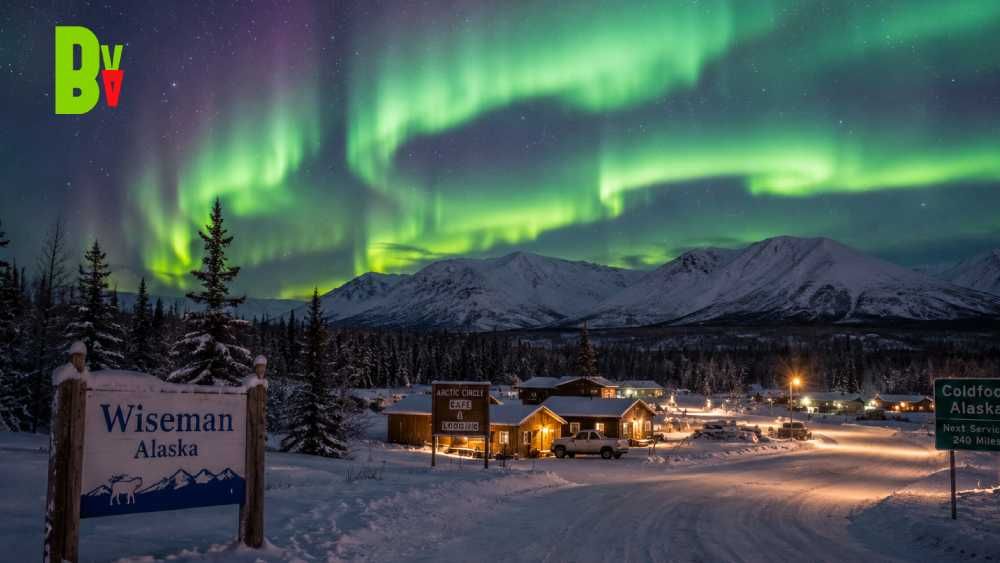
Travelers seeking a true Arctic adventure often head toward Coldfoot and the nearby village of Wiseman.
Located far north along the Dalton Highway, these remote communities experience extremely dark skies with almost no light pollution, creating exceptional aurora viewing conditions.
Because these areas sit even farther north than Fairbanks, strong auroral activity frequently appears directly overhead.
The remoteness adds to the experience. Instead of crowds, visitors enjoy quiet wilderness, frozen rivers, snow-covered forests, and an incredible sense of isolation beneath the dancing lights.
Coldfoot is ideal for experienced travelers seeking one of Alaska's most authentic northern lights adventures.
5. Mat-Su Valley

The Matanuska-Susitna Valley, commonly known as the Mat-Su Valley, combines easy accessibility with outstanding night skies.
Located north of Anchorage, the region offers numerous open landscapes where visitors can escape urban lighting while remaining close to accommodations and services.
Snow-covered mountains, frozen lakes, and expansive valleys provide spectacular foregrounds for aurora photography.
The area also serves as a gateway to winter recreation including snowmobiling, ice fishing, hiking, and glacier tours, making it an excellent destination for travelers wanting more than just aurora viewing.
Where Is the Best Place to See the Northern Lights?
If you could choose only one destination, Fairbanks remains the strongest recommendation.
Its location directly beneath the auroral oval, frequent clear nights, established tourism infrastructure, experienced local guides, and wide variety of viewing tours make it one of the world's most dependable destinations for seeing the Aurora Borealis.
Travelers with additional time should consider combining Fairbanks with Denali National Park for an unforgettable Alaska itinerary that blends wilderness, wildlife, and extraordinary night skies.
Best Time to See the Aurora in Alaska
The aurora season typically extends from late August until early April, with the highest viewing success occurring between September and March.
Long nights provide more viewing opportunities, while cold, clear weather significantly improves visibility.
Although strong solar activity increases the likelihood of spectacular displays, clear skies remain just as important.
Because the aurora is a natural phenomenon, no sighting can ever be guaranteed. Planning several nights in one destination dramatically improves your chances.
Tips for Seeing the Northern Lights
Successful aurora viewing requires preparation.
Dress in multiple warm layers because temperatures often fall well below freezing during winter nights. Allow your eyes time to adjust to darkness, avoid bright lights whenever possible, and monitor local aurora forecasts before heading out.
If photography is a priority, bring a sturdy tripod, extra camera batteries, and learn your camera's night settings before your trip.
Joining an experienced local guide can also increase your chances of finding clear skies if weather conditions change unexpectedly.
Frequently Asked Questions
Where is the best place to see the northern lights?
Fairbanks, Alaska, is widely regarded as one of the world's best destinations thanks to its location beneath the auroral oval, excellent tourism facilities, and consistently high probability of aurora activity.
What are the best places to see aurora in Alaska?
Some of the top destinations include Fairbanks, Denali National Park, Anchorage, Coldfoot, Wiseman, and the Mat-Su Valley. Each offers unique landscapes and excellent opportunities during the aurora season.
Can you see the northern lights from Anchorage?
Yes. While city lights affect visibility downtown, nearby parks and surrounding areas often provide excellent viewing conditions on clear nights.
How many nights should I stay?
Most travel experts recommend spending at least three to five nights to improve your chances of seeing the Aurora Borealis, as weather conditions vary daily.
Editor Thoughts
Alaska continues to set the standard for unforgettable aurora adventures. Whether you're standing beneath the brilliant skies of Fairbanks, photographing colorful displays above Denali National Park, exploring the remote wilderness around Coldfoot and Wiseman, or enjoying the accessibility of Anchorage and the Mat-Su Valley, every destination offers its own unique perspective on one of nature's greatest spectacles.
For travelers wondering where is the best place to see the northern lights or searching for the best places to see aurora in Alaska, these five destinations provide some of the finest opportunities anywhere on Earth. With careful planning, a little patience, and clear skies, witnessing the Aurora Borealis in Alaska is an experience that will stay with you long after your journey ends.

Related Posts



Leave a comment
Your email address will not be published. Required fields are marked *