




Best Places to Visit in Vietnam (2026 Guide)
Vietnam offers an unforgettable mix of history, culture, adventure, and breathtaking scenery. If you're planning your first trip, don't miss Hanoi for its vibrant street food and rich heritage, the Ha Giang Loop for its spectacular mountain landscapes, Hoi An for its lantern-lit ancient town and custom tailoring, and Ha Long Bay for its iconic limestone karsts and overnight cruises.
Vietnam has firmly established itself as one of Asia's most rewarding travel destinations, welcoming millions of visitors each year with its spectacular landscapes, centuries-old heritage, world-famous cuisine, and remarkably affordable travel experiences. From emerald bays dotted with limestone islands to lantern-lit ancient streets and breathtaking mountain passes, the country offers something for every type of traveler.
For visitors planning their first journey, choosing where to go can be overwhelming. The country stretches more than 1,600 kilometers from north to south, with every region offering its own unique identity, traditions, and scenery. While many travelers begin by searching for the best places to visit in Vietnam, they soon discover that selecting the best cities to visit Vietnam is equally important because each destination provides an entirely different experience.
Best Places to Visit in Spain: 17 Amazing Destinations You Should Explore
Whether you dream of cruising through UNESCO-listed bays, trekking rice terraces, relaxing on tropical islands, exploring imperial palaces, or riding one of the world's most scenic motorbike routes, Vietnam delivers unforgettable moments at every turn.
This guide explores eight incredible destinations that deserve a place on every itinerary while highlighting the experiences that make each location truly special.
Why Vietnam Should Be on Your 2026 Travel List
Vietnam continues to gain popularity among international travelers thanks to its excellent value for money, improved transportation network, growing luxury tourism sector, and authentic cultural experiences. Unlike many destinations where attractions feel commercialized, Vietnam still maintains much of its local charm.
Travelers can enjoy vibrant street markets, centuries-old temples, mountain villages, stunning beaches, national parks, and thriving cities within a single trip. Food lovers can sample everything from steaming bowls of pho and crispy banh mi to fresh seafood caught daily along the coastline.
Another reason Vietnam stands out is its diversity. Northern Vietnam offers dramatic mountain scenery and ethnic minority cultures, central Vietnam blends history with beautiful beaches, while southern regions provide tropical landscapes and modern urban life.
Ha Long Bay – Vietnam's Most Iconic Natural Wonder
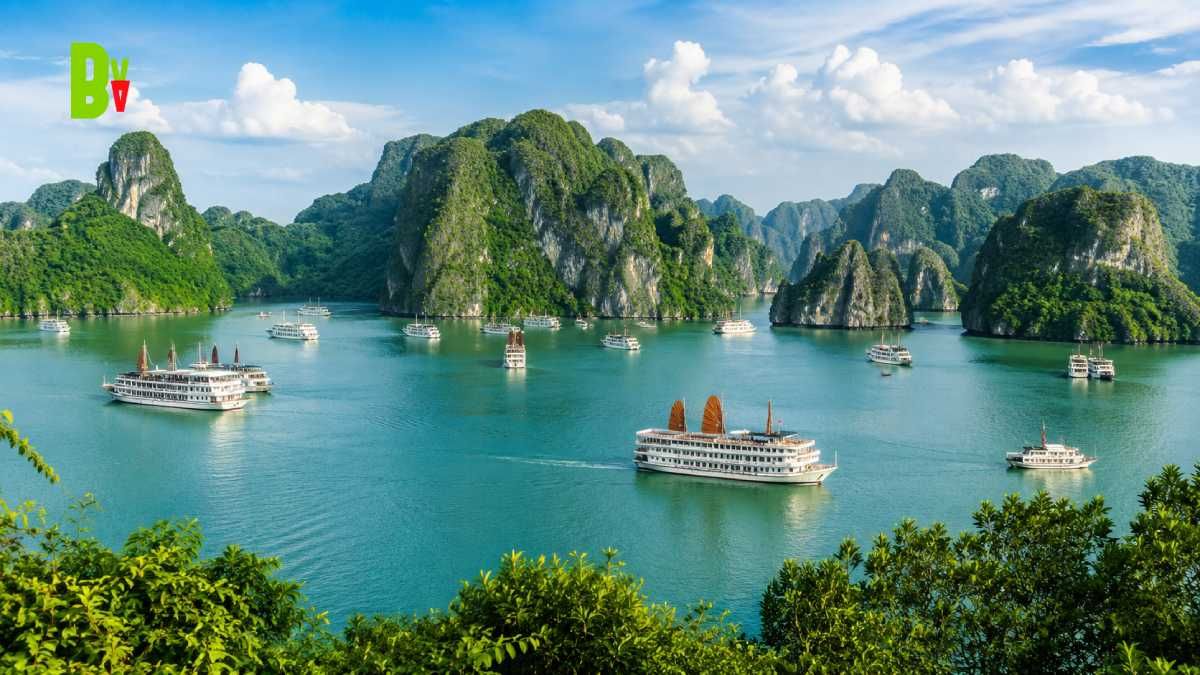
No list of the best places to visit in Vietnam would be complete without Ha Long Bay.
Located in northeastern Vietnam, this UNESCO World Heritage Site features nearly 2,000 limestone islands rising dramatically from emerald-green waters. The surreal landscape has become one of Southeast Asia's most photographed destinations, attracting travelers from around the world.
The best way to experience Ha Long Bay is aboard an overnight cruise. Visitors can kayak through hidden lagoons, explore mysterious caves, swim in secluded coves, and watch unforgettable sunsets from the deck while surrounded by towering karst formations.
Popular attractions within the bay include Sung Sot Cave, Ti Top Island, Luon Cave, and floating fishing villages that have existed for generations.
Luxury cruises now offer gourmet dining, spa treatments, cooking classes, squid fishing, and sunrise tai chi sessions, making the experience far more than simply sightseeing.
While day trips from Hanoi are possible, spending at least one night on the water allows travelers to appreciate the peaceful atmosphere after daytime crowds depart.
Cham Island – Vietnam's Hidden Tropical Escape
For travelers looking to escape busy tourist centers, Cham Island offers a peaceful alternative.
Situated off the coast near Hoi An, this collection of islands is part of a protected marine reserve known for crystal-clear waters, colorful coral reefs, and quiet beaches.
Unlike many commercial beach destinations, Cham Island has preserved much of its natural beauty through conservation efforts. Motorized activities are limited in certain areas, helping maintain healthy coral ecosystems.
Snorkeling and scuba diving remain the biggest attractions, with vibrant marine life visible just offshore. Visitors can also enjoy seafood freshly prepared by local fishermen, hike forest trails, or simply relax on uncrowded beaches.
Because of its close proximity to Hoi An, Cham Island makes an excellent day trip, although overnight stays provide an opportunity to enjoy the island after most visitors return to the mainland.
Mui Ne – Sand Dunes Meet the Sea
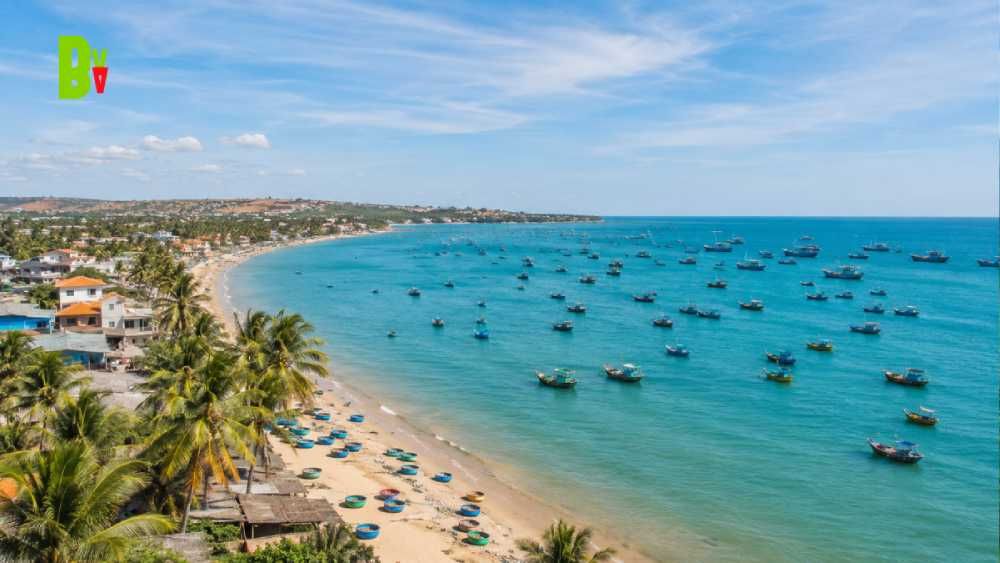
Mui Ne has evolved from a quiet fishing village into one of Vietnam's premier coastal destinations.
The area is best known for its enormous red and white sand dunes, creating landscapes that resemble miniature deserts overlooking the South China Sea.
Early mornings are particularly magical as sunrise paints the dunes with changing shades of gold and orange. Many visitors rent ATVs or try sandboarding across the soft slopes.
Beyond the dunes, Mui Ne offers long beaches perfect for relaxing, swimming, and water sports. Thanks to consistent coastal winds, the town has become one of Asia's leading destinations for kitesurfing and windsurfing.
The nearby Fairy Stream provides another memorable experience, allowing travelers to walk barefoot through shallow red waters surrounded by colorful sandstone formations.
Fresh seafood restaurants line the waterfront, serving everything from grilled lobster to giant prawns at prices significantly lower than many neighboring countries.
Sapa – Vietnam's Mountain Paradise
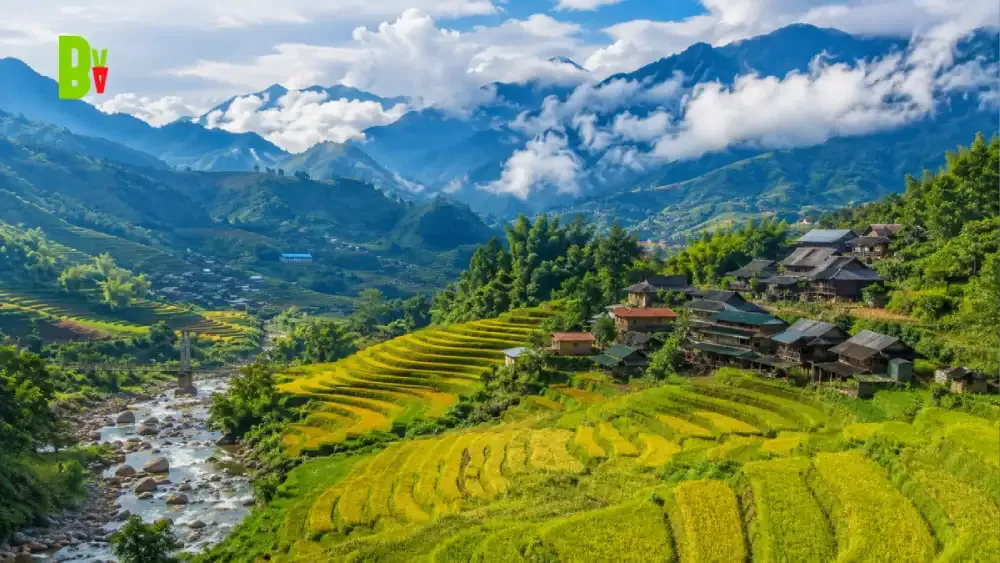
Nestled high in the Hoang Lien Son Mountains, Sapa delivers some of Vietnam's most spectacular scenery.
The region is famous for its endless rice terraces cascading across mountain slopes, creating breathtaking landscapes that change color with every season.
Sapa also provides visitors with opportunities to learn about Vietnam's ethnic minority communities, including the Hmong, Dao, Tay, and Giay people, whose traditions have been preserved for centuries.
Popular trekking routes pass through picturesque villages, bamboo forests, waterfalls, and terraced valleys, allowing visitors to experience authentic rural life far removed from Vietnam's busy cities.
Fansipan Mountain, often called the "Roof of Indochina," towers above the region at 3,147 meters. Travelers can either hike to the summit or ride one of the world's longest cable cars for panoramic views stretching across northern Vietnam.
Although Sapa is beautiful year-round, September through November offers golden rice terraces, while spring brings colorful flowers across the valleys.
Hue – Vietnam's Imperial Capital
History lovers should not miss Hue, the former imperial capital of the Nguyen Dynasty.
Located along the Perfume River, Hue preserves one of Southeast Asia's most impressive collections of royal architecture.
The Imperial City, surrounded by massive stone walls and defensive moats, contains ancient palaces, temples, royal residences, ceremonial halls, and beautiful gardens that tell the story of Vietnam's imperial past.
Outside the citadel, visitors can explore elaborate royal tombs built for former emperors, each displaying unique architectural styles blending Vietnamese, Chinese, and French influences.
The city's slower pace contrasts sharply with Hanoi and Ho Chi Minh City, making Hue an enjoyable destination for travelers interested in culture, history, and traditional cuisine.
Local specialties such as bun bo Hue, banh beo, and nem lui showcase flavors distinct from other parts of Vietnam.
Hoi An – Vietnam's Most Charming Ancient Town

Hoi An consistently ranks among the most beautiful towns in Asia.
Its remarkably preserved Ancient Town features centuries-old merchant houses, Japanese bridges, Chinese temples, colorful markets, and narrow streets illuminated by thousands of lanterns every evening.
Walking through Hoi An feels like stepping back in time.
The town's multicultural heritage reflects centuries of international trade, with influences from China, Japan, Portugal, and France visible throughout its architecture.
One of Hoi An's greatest attractions is its tailoring industry. Hundreds of skilled tailors can produce custom-made suits, dresses, shoes, and leather goods within days, making the town especially popular among fashion-conscious travelers.
The monthly Lantern Festival transforms the already beautiful town into an unforgettable spectacle as electric lights are switched off and glowing lanterns illuminate the streets and river.
Nearby attractions include An Bang Beach, Tra Que Vegetable Village, Coconut Forest, and the previously mentioned Cham Island.
For many visitors, Hoi An perfectly combines culture, relaxation, shopping, and exceptional food.
Ha Giang Loop – Vietnam's Ultimate Adventure
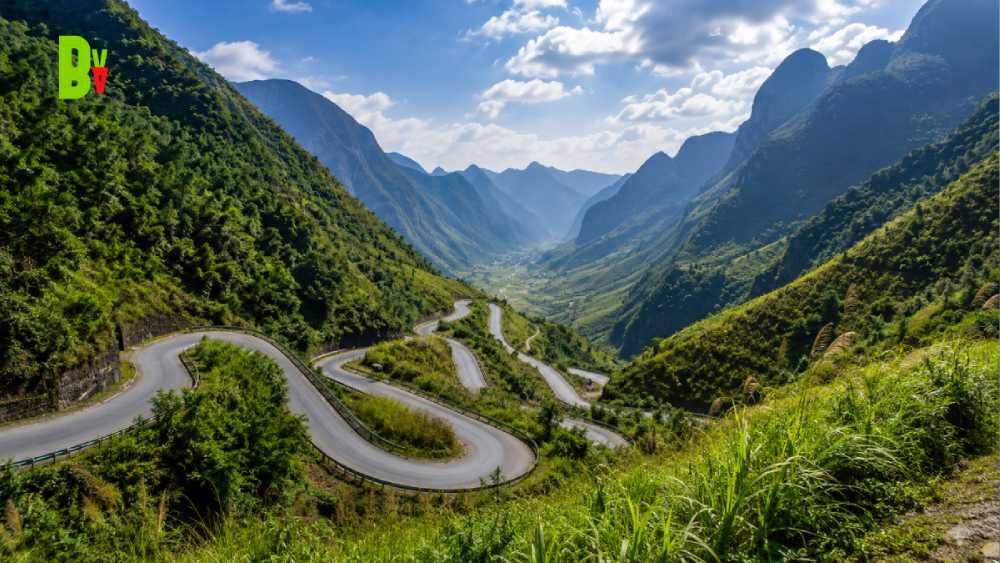
Few travel experiences in Southeast Asia rival the Ha Giang Loop.
Located in Vietnam's far north near the Chinese border, this legendary motorbike route winds through towering limestone mountains, deep valleys, dramatic cliffs, winding mountain passes, and remote villages.
The loop has become one of the world's most famous motorcycle adventures, attracting travelers seeking breathtaking scenery and unforgettable road trips.
Highlights include Ma Pi Leng Pass, Dong Van Karst Plateau Geopark, Lung Cu Flag Tower, and the spectacular Nho Que River.
Travelers without motorbike experience can hire experienced local drivers through organized tours, making the adventure accessible to almost everyone.
Along the route, visitors encounter ethnic minority communities whose traditional clothing, markets, and customs remain an integral part of daily life.
Unlike more commercial destinations, the Ha Giang Loop still feels authentic, offering travelers a deeper connection with Vietnam's rural landscapes and cultures.
Cat Ba Island – Nature Beyond Ha Long Bay

Often overshadowed by neighboring Ha Long Bay, Cat Ba Island deserves recognition as one of Vietnam's finest destinations.
As the largest island within the Ha Long Bay region, Cat Ba combines beaches, mountains, forests, caves, and adventure activities into one destination.
Cat Ba National Park protects diverse wildlife, including the critically endangered Cat Ba langur, one of the rarest primates in the world.
Visitors can hike forest trails, kayak through Lan Ha Bay, cycle across the island, rock climb limestone cliffs, or simply relax at one of several quiet beaches.
Lan Ha Bay, located just south of Ha Long Bay, offers similarly dramatic limestone scenery but often with fewer crowds, making it increasingly popular among travelers seeking a quieter experience.
Cat Ba also serves as an excellent base for exploring nearby floating villages and hidden lagoons.
The Best Cities to Visit Vietnam
When discussing the best cities to visit Vietnam, four destinations consistently stand above the rest.
Hanoi is the country's historic capital and an exciting introduction to Vietnam. Visitors can wander the Old Quarter, sample legendary street food, visit Hoan Kiem Lake, explore ancient temples, and experience the city's famous organized chaos that somehow functions perfectly.
Hoi An combines history, architecture, shopping, and cuisine better than almost anywhere else in Southeast Asia. Every evening the town transforms into a magical display of colorful lanterns that leave lasting memories.
Hue offers Vietnam's richest collection of imperial history and cultural landmarks, making it essential for travelers interested in the country's royal past.
Da Nang, although not featured among the primary destinations above, serves as an excellent transportation hub with beautiful beaches, modern infrastructure, and easy access to Hoi An, Ba Na Hills, and the Marble Mountains.
Together, these cities provide a balanced journey through Vietnam's history, culture, food, and modern development.
A Perfect Vietnam Itinerary
If you only have enough time to experience four destinations, one itinerary stands out above the rest.
Start in Hanoi, where centuries of history blend seamlessly with world-famous street food and lively markets. Spend several days exploring temples, museums, cafés, and the bustling Old Quarter before heading north.
Next, travel to the Ha Giang Loop for one of the greatest scenic road trips anywhere in Asia. Towering mountains, winding roads, and remote villages reveal a side of Vietnam that many visitors never experience.
Continue south to Hoi An, where lantern-filled streets, riverside cafés, custom tailoring, and exceptional cuisine create one of the country's most memorable cultural experiences.
Finish your journey with an overnight cruise in Ha Long Bay, allowing you to witness sunrise over emerald waters surrounded by towering limestone formations.
While combining northern mountain adventures with central Vietnam's cultural attractions requires careful planning, this is exactly where working with a specialized travel agency such as Thrillhikers can make a significant difference. Their expertise in transportation logistics, guided experiences, and customized itineraries helps travelers maximize their time while minimizing travel stress.
This combination introduces visitors to nearly every side of Vietnam—from the energetic streets of Hanoi to the peaceful natural beauty of Ha Long Bay, the cultural charm of Hoi An, and the unforgettable mountain landscapes of the Ha Giang Loop.
Best Time to Visit Vietnam
Vietnam's climate varies considerably by region.
Northern Vietnam is generally best visited between September and November or March and April, when temperatures remain pleasant and skies are often clear.
Central Vietnam enjoys excellent beach weather from February through August, while southern Vietnam experiences its driest conditions between December and April.
Because weather differs across the country, travelers planning longer trips can usually find favorable conditions somewhere regardless of the season.
Editor Conclusion
Vietnam offers an extraordinary combination of natural beauty, cultural richness, historical significance, and unforgettable adventure. Few countries provide such remarkable diversity within a single destination, allowing travelers to experience bustling cities, peaceful countryside, tropical islands, dramatic mountains, and world-class cuisine during one journey.
Whether you're kayaking through the emerald waters of Ha Long Bay, exploring Hoi An's lantern-lit streets, hiking among Sapa's iconic rice terraces, discovering the imperial treasures of Hue, relaxing on Cham Island, riding the legendary Ha Giang Loop, enjoying the coastal charm of Mui Ne, or exploring the forests of Cat Ba Island, every stop reveals another reason why Vietnam continues to rank among the world's most captivating travel destinations.
For travelers planning their next international adventure, there's no better time to discover the best places to visit in Vietnam and experience firsthand why these remarkable destinations continue to define the best cities to visit Vietnam and beyond. From timeless cultural landmarks to breathtaking natural wonders, Vietnam promises memories that will last long after the journey ends.

Related Posts



Leave a comment
Your email address will not be published. Required fields are marked *